

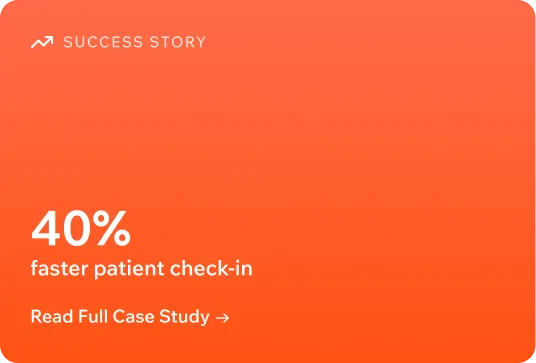



How we helped a healthcare startup increase patient onboarding by 180%

vervelo logo mobile
Generative AI - Model Fine-Tuning

Fine-Tune Foundation Models for Clinical-Grade Reliability

Generic models rarely match specialized healthcare workflows out of the box. We build fine-tuning programs that combine domain-specific dataset design, structured experimentation, and strict evaluation gates to improve accuracy without increasing risk.

35%

Lower Error Rate

2x

Faster Iteration

25%

Lower Inference Spend

99%

Run Traceability

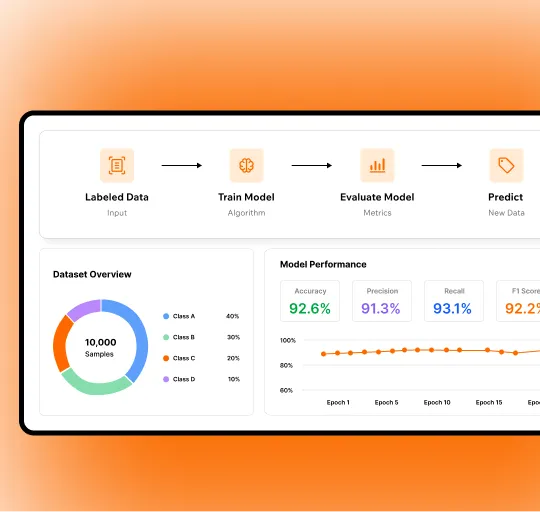
Model fine-tuning dashboard

Capability 01

Data Curation

High-quality fine-tuning starts with high-quality data. We build task-specific corpora with robust filtering, normalization, and annotation QA so training data reflects real clinical and operational workflows.

Core Activities

  • Data audit covering format consistency, missingness, duplication, and label leakage
  • Schema and prompt template design for supervised examples and instruction pairs
  • Annotation guideline creation with reviewer calibration and inter-rater quality checks
  • Train/validation/test split strategy with time-based and edge-case holdouts

Deliverables

  • Versioned dataset with lineage
  • Data quality scorecard
  • Coverage report by scenario and intent

Expected Outcomes

  • Lower hallucination rates
  • More stable outputs across edge cases
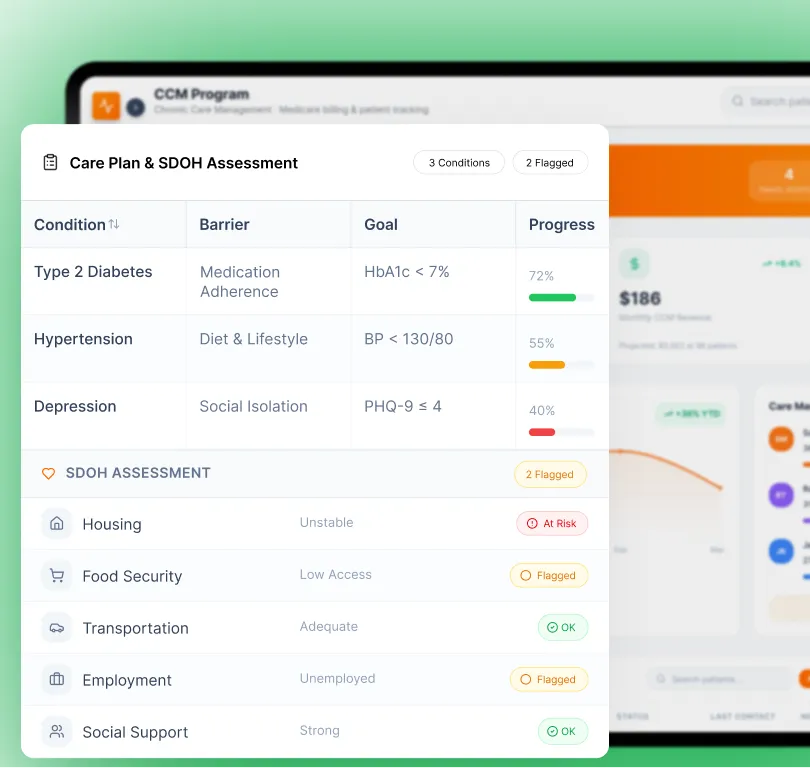
Data Curation

Execution Notes

This capability is delivered with milestone reviews, measurable acceptance criteria, and explicit handoff artifacts so your team can operate the model confidently after launch.

Capability 02

Tuning Strategy

We choose the right adaptation path for your constraints: full fine-tuning, LoRA/PEFT, adapter stacks, or hybrid prompt plus tune strategies. Every decision is benchmarked for quality, latency, and cost.

Core Activities

  • Baseline comparison across model families and context window profiles
  • Experiment matrix for LoRA rank, learning rate, epochs, and regularization
  • Hyperparameter sweeps with reproducible run tracking
  • Cost and throughput simulation under expected production traffic

Deliverables

  • Tuning playbook and recommended architecture
  • Experiment log with winning configuration
  • Cost-performance tradeoff report

Expected Outcomes

  • Faster model iteration cycles
  • Predictable serving cost
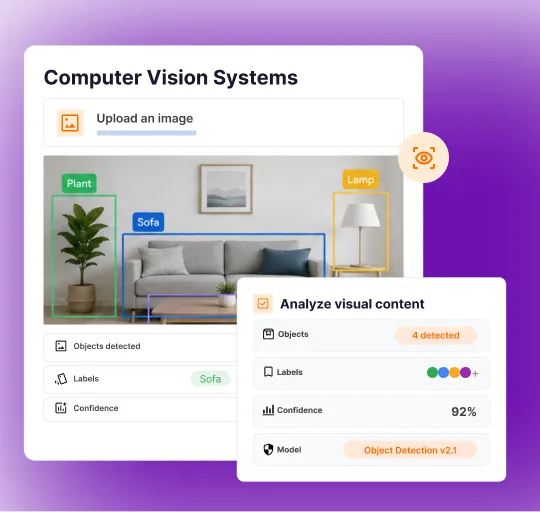
Tuning Strategy

Execution Notes

This capability is delivered with milestone reviews, measurable acceptance criteria, and explicit handoff artifacts so your team can operate the model confidently after launch.

Capability 03

Evaluation and Safety

Fine-tuned models must be validated beyond generic accuracy. We test reliability, faithfulness, formatting compliance, safety behavior, and policy adherence before any production rollout.

Core Activities

  • Golden set benchmarks for core business tasks
  • Adversarial and edge-case challenge sets
  • Safety and policy checks for sensitive workflows
  • Regression testing against baseline and previous production version

Deliverables

  • Evaluation dashboard with pass/fail thresholds
  • Error taxonomy with top failure modes
  • Release gate criteria for CI/CD

Expected Outcomes

  • Fewer post-release incidents
  • Confident and auditable go-live decisions
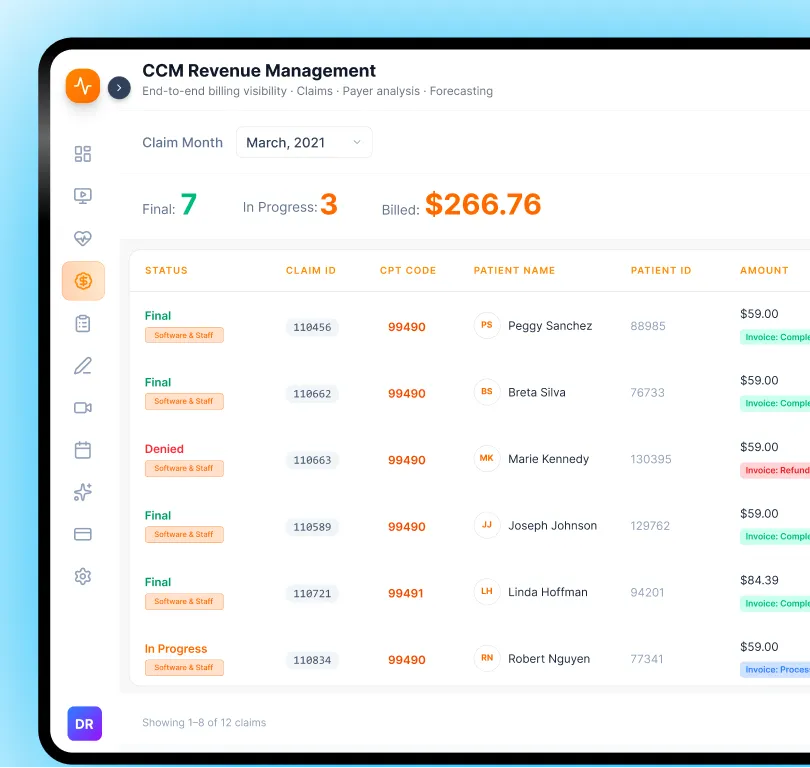
Evaluation and Safety

Execution Notes

This capability is delivered with milestone reviews, measurable acceptance criteria, and explicit handoff artifacts so your team can operate the model confidently after launch.

Capability 04

Deployment and Monitoring

We productionize the tuned model with observability and controls in place from day one. That includes rollout strategy, real-time monitoring, and retraining triggers tied to measurable drift.

Core Activities

  • Containerized model packaging and staged rollout strategy
  • Online monitoring for quality, latency, token usage, and spend
  • Drift and anomaly alerts with escalation paths
  • Retraining policy with model version governance

Deliverables

  • Production runbook
  • Monitoring and alerting dashboard
  • Rollback and incident response plan

Expected Outcomes

  • Higher uptime and reliability
  • Sustained quality over time
Deployment and Monitoring

Execution Notes

This capability is delivered with milestone reviews, measurable acceptance criteria, and explicit handoff artifacts so your team can operate the model confidently after launch.

Our Fine-Tuning Workflow

The workflow below is used to make fine-tuning repeatable, auditable, and safe for high-impact healthcare use cases.

01

Scope and Baseline

Define target workflows, acceptance criteria, and baseline model behavior so every tuning decision is measured against business outcomes.

Output

Signed-off metrics framework and baseline benchmark report

02

Curate and Prepare Data

Build representative datasets with annotation QA, privacy safeguards, and holdout strategy for honest evaluation.

Output

Versioned training and evaluation corpus with coverage summary

03

Tune and Compare

Run controlled tuning experiments, compare candidates, and select the best quality-cost-latency configuration.

Output

Experiment leaderboard and recommended production candidate

04

Release and Operate

Deploy with guardrails, monitoring, and retraining policies so model behavior remains stable in production.

Output

Operational playbook with dashboards and alert thresholds

Built for Healthcare Compliance

Fine-tuning pipelines are designed with PHI safeguards, access controls, encryption standards, and full traceability.

HIPAA GDPR HL7 SOC

Frequently Asked Questions

Need help deciding whether fine-tuning is right for your stack?

Speak to our team now ->
When should we fine-tune instead of using prompting only?

Fine-tuning is preferred when you need consistent behavior at scale, strict output formats, lower latency, or reduced per-request cost compared with long prompt strategies.

Can you fine-tune with sensitive healthcare data?

Yes. We implement de-identification workflows, RBAC, secure storage, and full auditability based on your compliance and deployment requirements.

How long does a typical fine-tuning project take?

Most initial engagements run 3 to 8 weeks, depending on data readiness, evaluation complexity, and integration scope.

Do you support ongoing optimization after launch?

Yes. We provide post-launch monitoring, periodic re-evaluation, and retraining cycles to maintain quality as data and user behavior evolve.